


Page 290 - Freshwater-Biology-and-Ecology-Handbook
P. 290
CHAPTER 6     10.1.1  10.1.1   Resource pressure on monitoring programmes


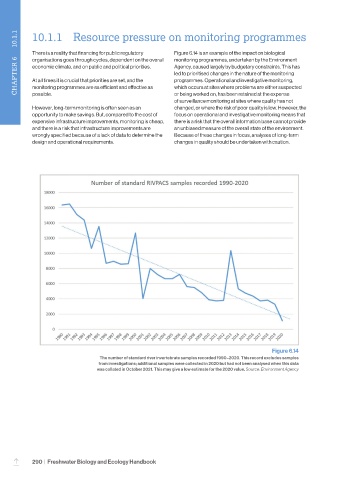
                                                              Figure 6.14 is an example of the impact on biological
            There is a reality that financing for public regulatory
                                                              monitoring programmes, undertaken by the Environment
            organisations goes through cycles, dependent on the overall
                                                              Agency, caused largely by budgetary constraints. This has
            economic climate, and on public and political priorities.
                                                              led to prioritised changes in the nature of the monitoring
                                                              programmes. Operational and investigative monitoring,
            At all times it is crucial that priorities are set, and the
            monitoring programmes are as efficient and effective as
                                                              which occurs at sites where problems are either suspected
                                                              or being worked on, has been retained at the expense
            possible.
                                                              of surveillance monitoring at sites where quality has not
            However, long-term monitoring is often seen as an   changed, or where the risk of poor quality is low. However, the
            opportunity to make savings. But, compared to the cost of   focus on operational and investigative monitoring means that
            expensive infrastructure improvements, monitoring is cheap,   there is a risk that the overall information base cannot provide
            and there is a risk that infrastructure improvements are   an unbiased measure of the overall state of the environment.
            wrongly specified because of a lack of data to determine the   Because of these changes in focus, analyses of long-term
            design and operational requirements.              changes in quality should be undertaken with caution.


                                                                                                 Figure 6.14
                                    The number of standard river invertebrate samples recorded 1990–2020. This record excludes samples
                                    from investigations; additional samples were collected in 2020 but had not been analysed when this data
                                   was collated in October 2021. This may give a low estimate for the 2020 value. Source: Environment Agency


            290  |  Freshwater Biology and Ecology Handbook
      –

