


Page 61 - Freshwater-Biology-and-Ecology-Handbook
P. 61
Do the estimated values   Yes                    Yes       Do the hydro-     Yes
              for the biological quality   Do the physico-chemical       morphological             Classify as
              elements meet reference      conditions meet high        conditions meet high       high status
                   conditions?                  status?                     status?
                           No                          No                         No


               Do the estimated values    Do the physico-chemical
               for the biological quality   Yes  conditions (a) ensure   Yes
               elements deviate only       ecosystem functioning                                   Classify as
               slightly from reference     and (b) meet the EQSs                                  good status
                 condition values          for specific pollutants?

                           No                          No

                                           Is the deviation of the   Yes
                                          values for the biological                               Classify as
                                                                                                   moderate
                                             quality elements
                                            moderate or less?                                       status
                                                       No


                                                               Yes
                                           Is the deviation major?                                Classify as
                                                                                                  poor status


                                                       No
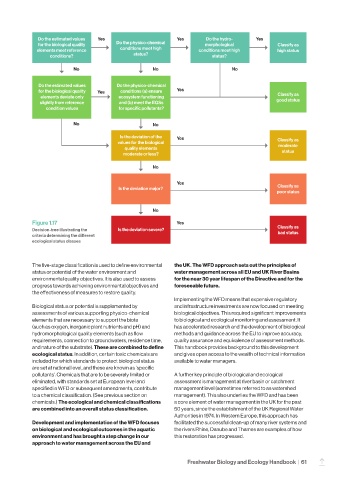
            Figure 1.17                                        Yes
            Decision-tree illustrating the   Is the deviation severe?                             Classify as
                                                                                                   bad status
            criteria determining the different
            ecological status classes


            The five-stage classification is used to define environmental   the UK. The WFD approach sets out the principles of
            status or potential of the water environment and   water management across all EU and UK River Basins
            environmental quality objectives. It is also used to assess   for the near 30 year lifespan of the Directive and for the
            progress towards achieving environmental objectives and   foreseeable future.
            the effectiveness of measures to restore quality.
                                                              Implementing the WFD means that expensive regulatory
            Biological status or potential is supplemented by   and infrastructure investments are now focused on meeting
            assessments of various supporting physico-chemical   biological objectives. This required significant improvements
            elements that are necessary to support the biota   to biological and ecological monitoring and assessment. It
            (such as oxygen, inorganic plant nutrients and pH) and   has accelerated research and the development of biological
            hydromorphological quality elements (such as flow   methods and guidance across the EU to improve accuracy,
            requirements, connection to groundwaters, residence time,   quality assurance and equivalence of assessment methods.
            and nature of the substrate). These are combined to define   This handbook provides background to this development
            ecological status. In addition, certain toxic chemicals are   and gives open access to the wealth of technical information
            included for which standards to protect biological status   available to water managers.
            are set at national level, and these are known as ‘specific
            pollutants’. Chemicals that are to be severely limited or   A further key principle of biological and ecological
            eliminated, with standards set at European level and   assessment is management at river basin or catchment
            specified in WFD or subsequent amendments, contribute   management level (sometimes referred to as watershed
            to a chemical classification. (See previous section on   management). This also underlies the WFD and has been
            chemicals.) The ecological and chemical classifications   a core element of water management in the UK for the past
            are combined into an overall status classification.  50 years, since the establishment of the UK Regional Water
                                                              Authorities in 1974. In Western Europe, this approach has
            Development and implementation of the WFD focuses   facilitated the successful clean-up of many river systems and
            on biological and ecological outcomes in the aquatic   the rivers Rhine, Danube and Thames are examples of how
            environment and has brought a step change in our   this restoration has progressed.
            approach to water management across the EU and


                                                                   Freshwater Biology and Ecology Handbook  |  61
                                                                                                                 –

